
BPC-157: The Healing Peptide That's Changing the Conversation on Recovery
One of the most common questions we hear at Injx Bar lately? What is the BPC-157 peptide, and does it actually work?
If you've spent any time in the wellness or fitness world lately, chances are you've heard someone mention it. Maybe it was at the gym, in a group chat, or from that friend who's always trying the latest recovery trend. And while the research is still evolving, interest in the BPC-157 peptide has exploded.
At Injx Bar, we believe an informed patient is an empowered one. So, before you decide whether it's something worth exploring, let's look at what BPC-157 is, what the current research says, and who may benefit from learning more.
What Is the BPC-157 Peptide?
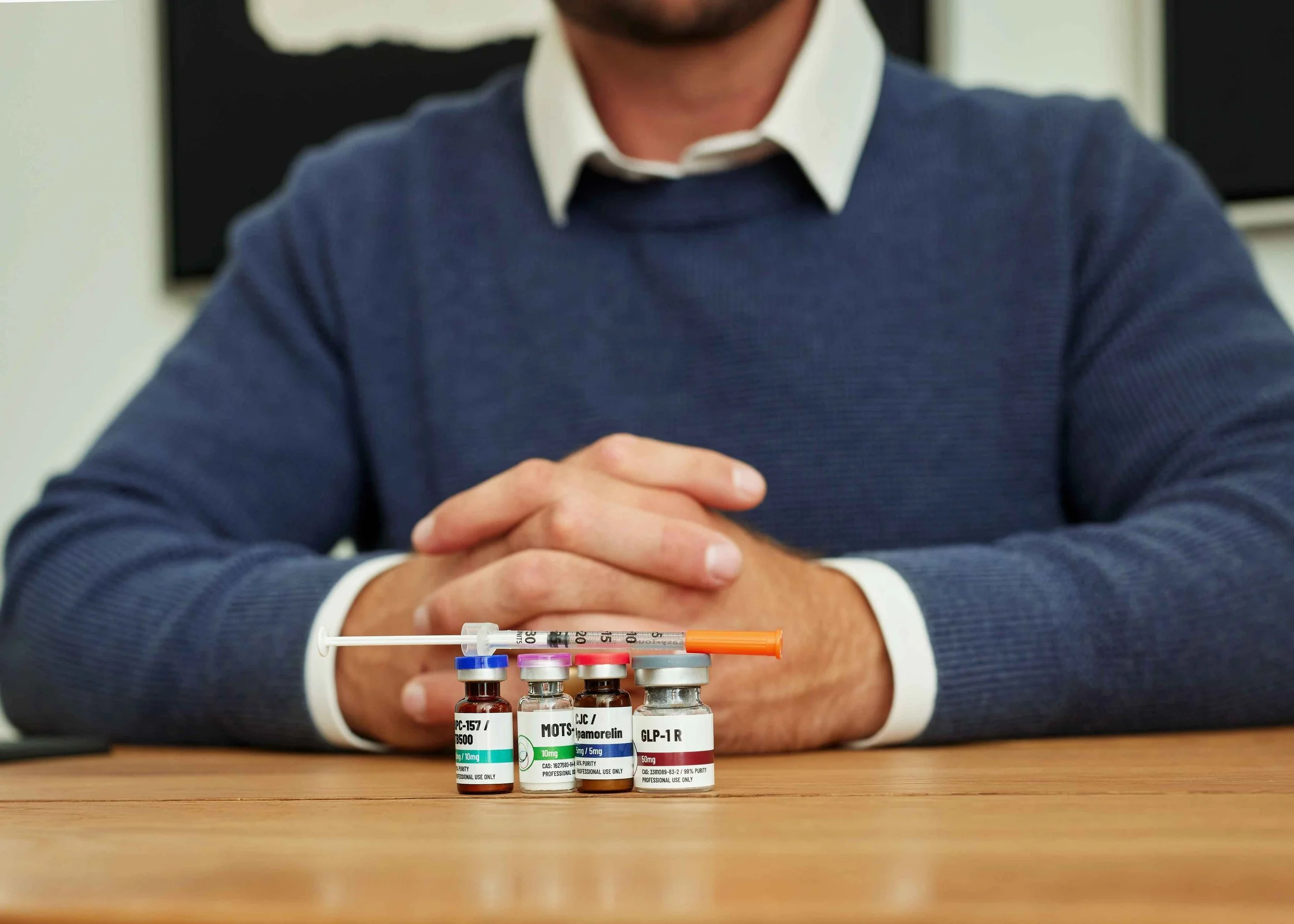
BPC-157 stands for Body Protection Compound-157 and it’s a peptide made up of 15 amino acids that researchers originally identified from a protective protein found in gastric juice (the digestive fluid your stomach naturally produces).
That connection is part of what makes it so interesting. Researchers believe it may play a role in the body's natural repair processes, particularly in areas like connective tissue and the digestive tract.
While it's still considered a research compound and isn’t FDA-approved to treat any specific condition, it’s definitely become one of the most talked-about peptides in regenerative and functional medicine because of the promising results seen in preclinical research.
How Does BPC-157 Work?
Think of BPC-157 as a messenger. Researchers believe it may help your body recognize damaged tissue and support its natural healing response. While scientists are still learning exactly how it works, several potential mechanisms have emerged in the research.
It supports new blood vessel formation. Healing tissues need oxygen and nutrients to repair themselves. Research suggests the peptide may encourage the formation of new blood vessels, helping deliver what damaged tissue needs to recover.
It supports healthy inflammation. Research suggests it may interact with the body's nitric oxide system, which plays a role in blood flow and inflammation. This may help explain some of its potential anti-inflammatory effects.
It supports connective tissue repair. Studies have shown that it may influence growth hormone receptor signaling, which could support the cells responsible for repairing tendons and ligaments.
It supports digestive health. Because it was originally identified in gastric tissue, researchers have also explored BPC-157 for gut health, including its potential role in supporting the protective lining of the digestive tract.
Rather than targeting a single pathway, researchers believe BPC-157 may support several of the body's natural repair processes at the same time.
What Are the Potential Benefits of BPC-157?

While research is still ongoing, several potential BPC-157 benefits continue to generate excitement among researchers and healthcare providers. Results vary from person to person, and no outcomes are guaranteed, but these are some of the areas receiving the most attention:
Tendon and ligament healing. BPC-157 is perhaps best known in recovery circles for its potential to accelerate healing in connective tissue, areas that notoriously receive poor blood flow and heal slowly. That’s one reason it comes up so often in conversations about injury recovery.
Joint health and inflammation. Research suggests BPC-157 may help reduce joint inflammation and support tissue repair, making it a point of curiosity for those dealing with chronic joint discomfort or post-injury stiffness.
Gut health and GI healing. Given its gastric origins, BPC-157 has been studied for its role in supporting gut mucosal integrity. Areas of interest include inflammatory bowel concerns, leaky gut, and GI discomfort. This is a connection that separates this peptide from most others in the recovery space.
Muscle recovery. Some research suggests BPC-157 may support the healing of muscle tissue after strain or overuse, which has drawn significant interest from athletic populations.
Neurological support. Emerging research is exploring BPC-157's potential role in nerve healing and neuroprotection, though this area remains in earlier stages of investigation.
We know that all sounds incredible, but it’s also worth saying plainly: BPC-157 is a research compound, and these benefits reflect areas of scientific interest, not necessarily guaranteed outcomes.
Who Might Be a Good Candidate?

Like most regenerative therapies, BPC-157 isn't the right fit for everyone. Depending on your health history and goals, your provider may recommend exploring it if you fall into one of these groups:
Active adults and athletes dealing with nagging tendon or ligament injuries (think patellar tendinopathy, rotator cuff irritation, or Achilles issues) are often among the first to ask about peptide-based recovery support. When conventional recovery feels slow, the idea of a peptide that may accelerate the body's own repair signals is compelling.
Patients with chronic joint discomfort who are looking for regenerative options rather than simply masking pain may find this type of therapy worth discussing. It's often considered alongside other wellness therapies as part of a broader recovery protocol.
Those navigating gut health challenges represent another interesting candidate group. Because the compound has shown activity in the gastrointestinal tract, patients who haven't found relief through conventional approaches sometimes explore it as part of a functional gut health protocol.
Post-surgical patients interested in supporting their body's recovery process may also be candidates, though as always, any peptide exploration should involve close coordination with the treating provider team.
Why Explore BPC-157 Peptide Therapy at Injx Bar?

At Injx Bar, we don't believe in chasing trends. We believe in helping patients understand the science, ask the right questions, and choose treatments that make sense for their goals.
That's exactly how we approach peptide therapy.
Our experienced providers stay up to date on the latest research surrounding BPC-157 so you can have an honest conversation about what's known, what's still being studied, and whether it's something worth considering. No hype. No pressure. Just education and personalized care.
We also take a whole-body approach to wellness. Whether you're focused on recovery, hormone optimization, performance, or overall health, we'll help you build a treatment plan that's designed around you..
Ready to Learn More?
Curious whether the BPC-157 peptide could be a good fit for your wellness or recovery goals? Schedule a consultation with Injx Bar in Peoria, AZ, and let's figure out whether it's the right next step for you.
The information above is provided for educational purposes only and should not be interpreted as medical advice. BPC-157 is a research compound and is not FDA-approved for the treatment of any specific condition. Always consult with a qualified healthcare provider before starting or considering any new therapy.