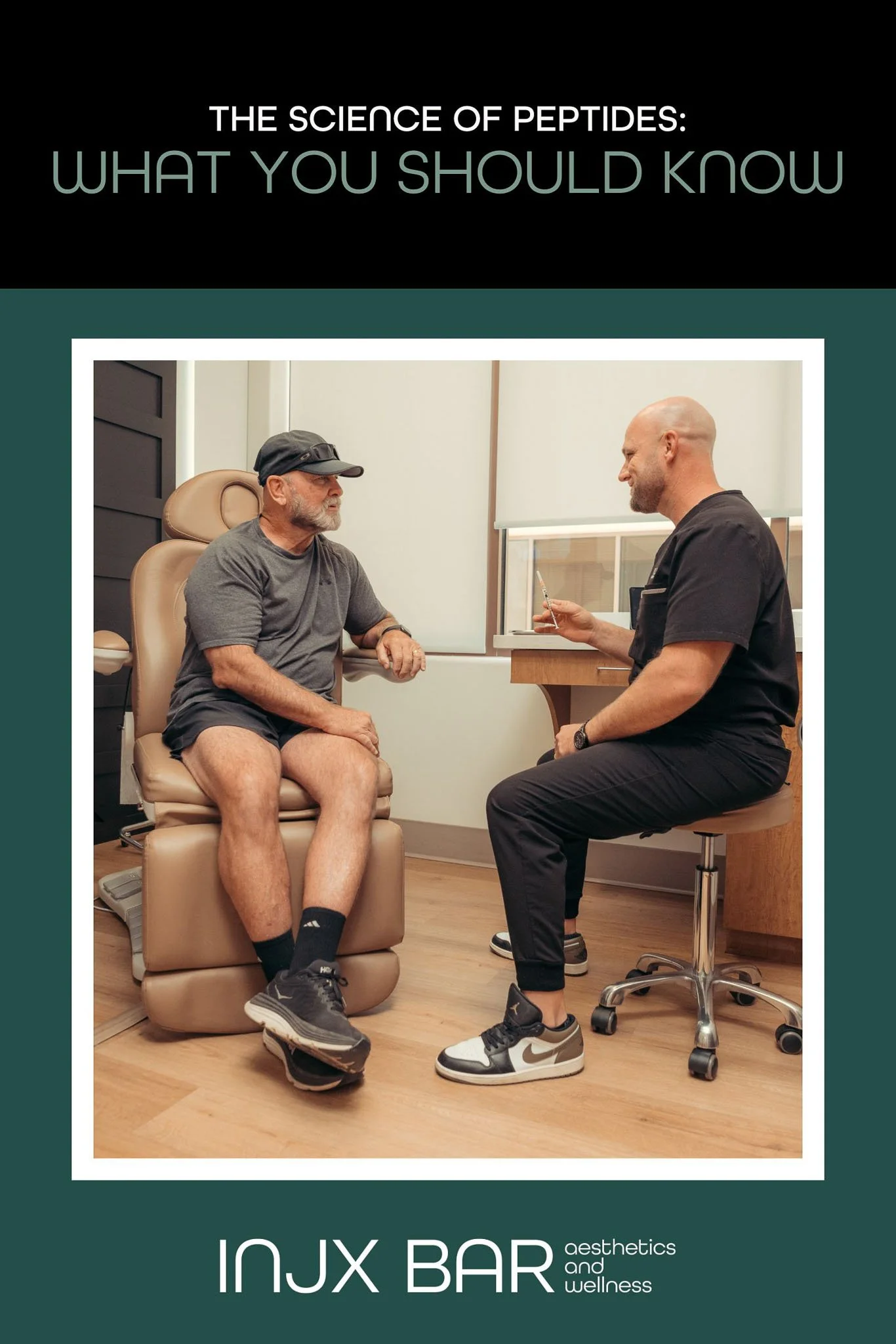


The science of peptides has emerged as one of the most intriguing areas of modern wellness and aesthetic medicine. At Injx Bar, our team of experienced providers believes in giving people the knowledge they need to make informed decisions. While peptide sciences are still evolving, early studies continue to reveal fascinating possibilities for recovery, regeneration, and overall health.
So, what exactly are peptides, and why is there so much buzz around them? Let’s take a closer look at how the science stacks up.
What Are Peptides?
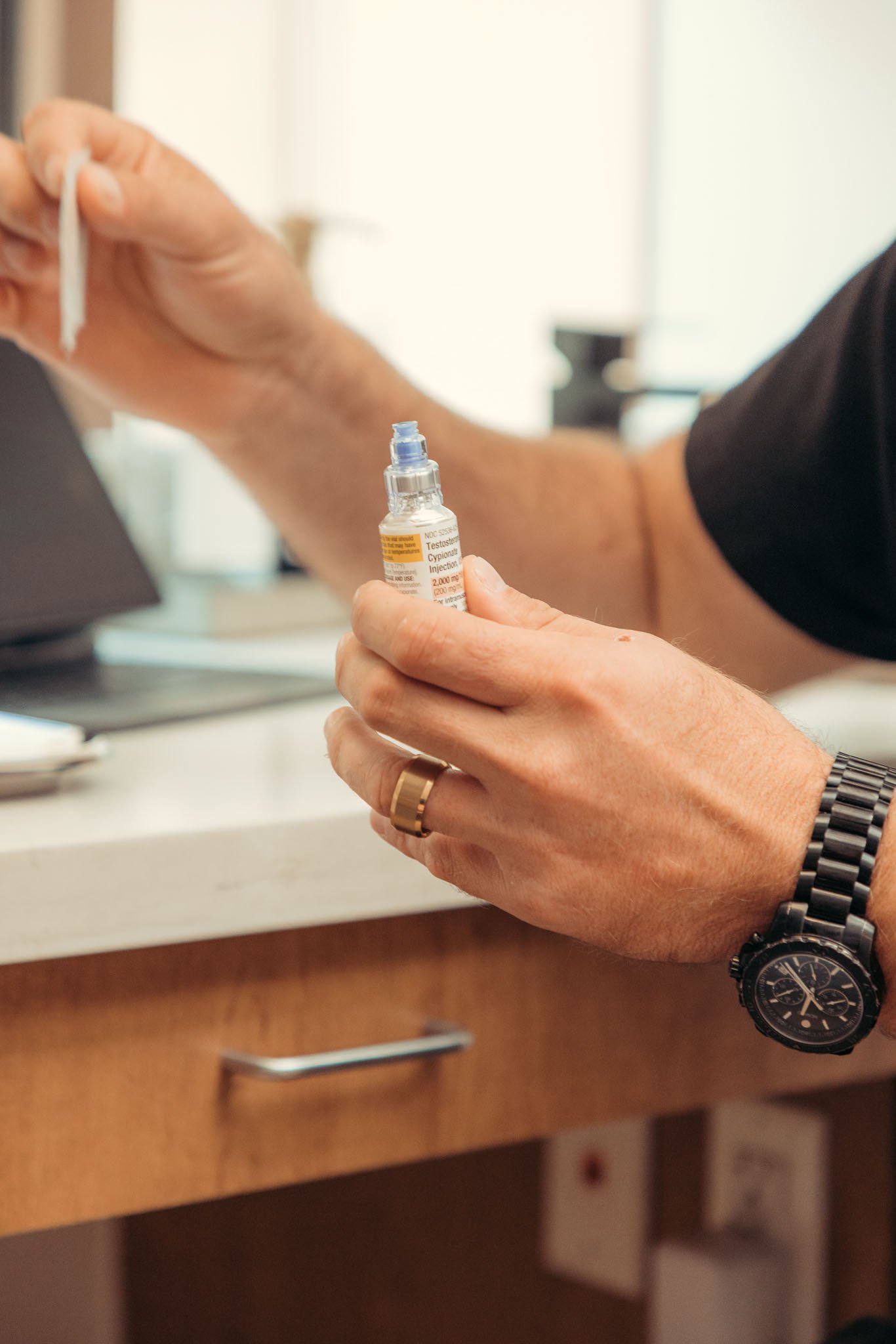
Peptides are short chains of amino acids that act as messengers in the body and play a vital role in processes such as tissue repair, metabolism, and cellular communication. Because of their potential to influence these biological systems, researchers are exploring how peptides might support areas like skin health, muscle recovery, and even metabolic balance.
While many of these compounds are still being investigated and are not FDA-approved for general use, interest in peptide sciences has grown significantly in recent years.
Spotlight on Popular Peptides


Different peptides have drawn attention for their unique roles in scientific research. Below, we’ll explore some of the most talked-about examples.
BPC-157 – The Healing Peptide
BPC-157 peptide is a 15–amino acid fragment derived from gastric proteins. Research highlights suggest it may support healing of tendons, ligaments, muscle, and even gastrointestinal tissue. Current areas of interest include injury recovery, gut health, and inflammation.
TB-500 (Thymosin Beta-4) – The Recovery Peptide
TB-500 is a 43–amino acid peptide originally isolated from the thymus gland. Investigators are exploring its potential for tissue repair, angiogenesis, and nerve regeneration. It is often associated with interest in faster wound healing, post-surgical recovery, and injury repair.
CJC-1295 / Ipamorelin – The Growth & Recovery Duo
This synergistic pair is being studied for muscle growth, fat metabolism, and anti-aging support. CJC-1295 encourages natural GH release, while Ipamorelin mimics ghrelin to amplify the effect. Research highlights point to potential in enhancing lean mass, recovery, and energy while supporting fat loss.
Sermorelin – The Age-Defying Peptide
Sermorelin is a synthetic peptide that stimulates the body’s own GH release. Areas of interest include sleep quality, energy, and body composition. Researchers continue to explore its role in healthy aging and cognitive support.
GHK-Cu – The Skin & Hair Peptide
GHK-Cu is a naturally occurring copper-binding peptide found in plasma and saliva and has drawn attention for its role in collagen and elastin synthesis. When people ask what do peptides do for skin, GHK-Cu often comes up, as research suggests it supports wound healing, hair growth, and visible signs of aging.
IGF-1 LR3 – The Muscle & Performance Peptide
This modified form of IGF-1 has an extended half-life, amplifying anabolic activity. Areas of investigation include muscle growth, bone density, and fat metabolism. Research suggests it may support connective tissue and cartilage health as well.
Melanotan II – The Tanning Peptide
Melanotan II is a synthetic analog of alpha-MSH. Clinical interest revolves around its role in pigmentation, appetite regulation, and libido. It has been studied for its ability to support tanning effects without sun exposure.
GLP-1/GIP/Glucagon RA (Retatrutide) – The Triple-Action Weight Peptide
This cutting-edge compound is being explored in relation to peptides for weight loss, metabolic health, and liver fat reduction. Clinical trials have noted reductions in body weight, improved insulin sensitivity, and improved metabolic function.
Peptide Injections and Safety

Most research on peptides has been conducted using peptide injections, which deliver compounds directly into the body. This method allows scientists to evaluate how peptides circulate and interact with tissues.
It’s natural to wonder, are peptides safe? Current findings suggest that safety and effectiveness depend on the specific peptide, dosage, and duration of use. Because many peptides remain under investigation, it’s essential to approach them as research compounds rather than guaranteed treatments.
The Takeaway


Peptides are a fascinating area of study, with potential implications across recovery, aesthetics, and metabolic health. From questions about what do peptides do for skin to curiosity about peptides for weight loss, it’s clear that interest will only continue to grow.
At Injx Bar, we believe in empowering people with knowledge so they can explore options with confidence. If you’re curious about the science of peptides and want to learn more and how it might align with your health and wellness goals, schedule a consultation with a provider here at Injx Bar.
The information above is provided for educational purposes only and should not be interpreted as medical advice. Always consult with a qualified healthcare provider before starting or considering any new therapy.